For Boise State softball camps, start with the camp link on the Broncos’ official softball page, then check the specific event’s organizer, dates and eligibility. Several independent providers also advertise instruction involving Boise State players or facilities. This guide distinguishes those options and explains what was actually confirmed on October 21, 2026.
Start with the organizer behind the Boise State camp
The official Boise State softball page links to Bronco Sports Camps through its Camps navigation. That is the clearest starting route for a family seeking the program’s camp information. Follow the sport-specific event details from there, and keep the exact listing that describes the activity you intend to purchase.
A program connection can take several forms. A camp might feature college coaches, current student-athletes, a commercial camp company or a venue associated with a school. Those connections answer different questions. The person teaching a drill is not necessarily the company processing the registration, and using a familiar school name does not by itself tell you which office handles a cancellation or a change of venue.
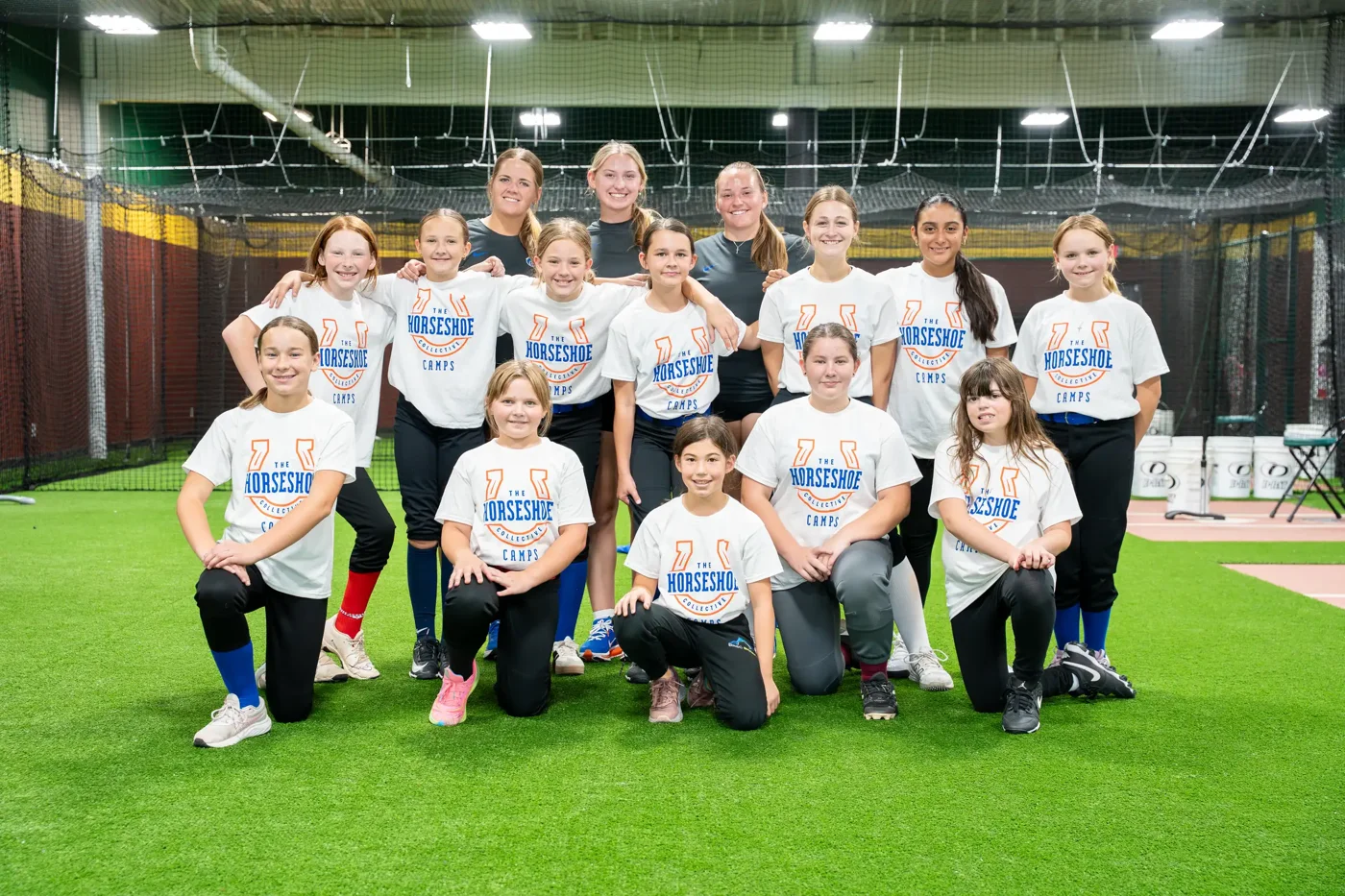
The distinction is visible in the Horseshoe Camps softball listing. It promotes instruction with Boise State student-athletes through Top Tier and The Horseshoe Collective, while explicitly stating that it is not officially affiliated with Boise State University Athletics. That disclosure should travel with any description of the event. It can be considered on its own terms as a player-led private camp without being described as a university coaching-staff camp.
Before registering, identify three things separately: the organizer accepting payment, the instructors promised for your session and the place where instruction will occur. If the page uses a large school logo but leaves one of those details unclear, contact the listed organizer. A clear answer helps you compare the experience you are buying instead of choosing solely on the strength of the name in a search result.
Location deserves particular attention. The Broncos’ softball home is Huber Field at Dona Larsen Park, but that does not mean every camp associated with a Bronco takes place there. An independent indoor event can use a different address. Do not turn up at the team’s game venue simply because you recognize it from a schedule or stadium photograph.
A camp is also a different purchase from a game ticket. The Boise State team schedule helps supporters find competitive games; camp participation needs its own eligibility and registration confirmation. Decide whether your goal is watching the team, receiving instruction or exploring a prospective college environment before comparing the available options. That first decision prevents a useful event from being judged against an experience it never promised to provide.
What is confirmed for the next camp date?
Check the team camp registration listing
On October 21, the readable official camp portal did not establish a specific upcoming softball coaching-staff session with a complete date, price and eligibility set. That is a limit on what this guide can confirm, rather than a statement that the program will not hold another camp. Use the official camp entry point for updates and request the exact registration page for any session mentioned in a team announcement.
Before treating a date as ready to book, confirm the year, the accepted age or grade range, the location and the enrollment status together. A social announcement can tell you that something is planned while the event page supplies the conditions. If one part is still missing, save the announcement as a lead and wait for the organizer’s full information before making travel commitments.
Treat player-led and Nike listings as separate events
The private Horseshoe Elite Position Development Academy lists December 12–13, 2026, from noon to 3 p.m. both days at D-BAT Boise, 10539 West Overland Road. Its published eligibility is girls in grades 3–8, separated into grades 3–5 and 6–8, with a base price of $195. Those details belong to this specific private event, which advertises current Bronco student-athlete instruction.
The Nike Softball Camp listing was in a different state: it said there were no active sessions and offered a priority list for future announcements. It also stated that the camp was not owned, sponsored, controlled or endorsed by Boise State University. Do not describe that priority form as a confirmed place in a future camp, or merge its conditions with the December Horseshoe event.
The distinction is useful even if you are open to either option. You can compare the actual teacher, format and setting once the dates exist. You cannot meaningfully compare an available event with an old summer description as though both are current offers. A provider page’s year label and its live registration status should be read together.
When a future date is not fully published
A confirmed camp, a waitlist and an interest list are three different things. Registration confirmation should identify a session and participant; a waitlist normally leaves a place unresolved; an interest list asks to send future news. Read the organizer’s language rather than assuming that submitting any form reserves instruction.
For a 2027 search, wait for a listing that actually names the 2027 session. The previous year’s age range, hours and venue may be useful questions to ask, but they are not next year’s terms. Likewise, the published December listing does not prove how many places remain at checkout. Check the current organizer page immediately before paying, and retain the version that governs your purchase.
Choose instruction that matches the player's stage
Start with the player’s goal rather than the most impressive event label. A younger athlete who wants to make cleaner throws needs a different experience from an older prospect comparing college programs. Write down one or two useful outcomes before opening the registration page: perhaps a more consistent fielding setup, a clearer approach to a particular defensive position or confidence applying a coached adjustment during live play.
Skills development and prospect exposure answer different needs
A skills session should give the athlete instruction she can understand and practice afterward. A prospect-oriented session may also let a player experience a college environment, but attendance does not establish a roster offer. A conversation with a student-athlete can be valuable for understanding daily life in the sport without becoming an evaluation by the university’s recruiting staff.
Compare the activity plan with that goal. The December Horseshoe listing describes an instruction day followed by competitive application. That is useful information when asking how much time a player spends learning and how she later tries the adjustment. It does not establish a guaranteed number of swings, pitches or individual feedback minutes. Ask the organizer for those details if they are important to your decision.
The concluded Nike page describes a different camp model with broader training and a campus experience. Those archived details can help formulate questions for a future offering, but they are not a reason to assume the same schedule will return. Evaluate each new session on its published curriculum and staff rather than transferring a promise from another provider.
Ask what the session includes for your position
A pitcher should ask whether pitching instruction is included in the selected registration and what catcher arrangements are needed. A catcher should ask about her own session, equipment and whether she will spend substantial time receiving other players. A utility player can ask which primary position to select. These questions make an “all skills” description more concrete without assuming every position receives identical time.
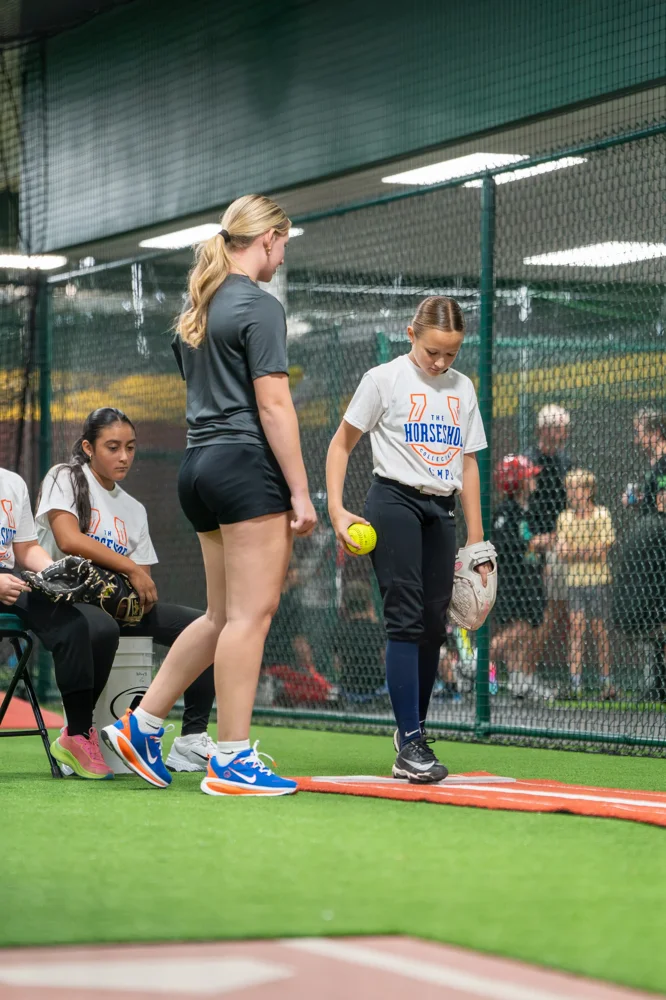
For a field player, a useful question is how feedback will be delivered. Can she ask about her first step or throwing sequence? Is the session designed for athletes learning the position or those already playing it regularly? A published age band establishes eligibility, but a conversation about experience helps determine whether the instruction is likely to suit the player’s present needs.
Bring the athlete into that decision. Ask what she wants to understand better and whether the format sounds enjoyable. A manageable goal makes it easier to recognize useful instruction at the end of the day. Choosing a camp because the player can explain what she wants to learn is a stronger basis for the expense than expecting a school name to do the work by itself.
Compare the full cost and the travel commitment
Compare what the family will actually spend for the selected experience. Tuition is the starting point; add applicable checkout charges, transport, meals and any overnight stay. For a local afternoon event, the total may be close to registration plus a short trip. For an out-of-town family, the same tuition can become a much larger commitment. Use your own travel plan rather than another family’s headline budget.
Keep optional purchases separate from core instruction. The Horseshoe listing offers add-ons, including media and a private-lesson option, with the lesson scheduled separately. Ask whether the extra activity fits your calendar before paying for it. A package with more items is useful only when you actually want those items; it is not automatically more instructional time during the advertised camp hours.
Read the cancellation terms before choosing a nonrefundable travel arrangement. The Horseshoe page publishes deadline-based refund conditions and a written-request process. Save the terms attached to your event. Do not assume that missing a day, a personal schedule conflict or a venue change produces an automatic full refund. Ask the organizer how the specific situation would be handled.
A different provider has a different policy. US Sports Camps publishes its own company terms. Those terms should not be applied to a Horseshoe purchase or a separate program camp. Keep a refund, a future credit and an optional protection product distinct when reading an offer; they can solve different problems and should not be described as interchangeable benefits.
For travel, confirm the exact meeting address and the required arrival time. The future December private camp is an indoor D-BAT event, while the Broncos’ playing field is elsewhere. A reservation close to the university may still leave a drive to the actual instruction site. Check both days of a multi-day event, especially if one package includes a separately scheduled lesson.
Finally, consider the opportunity cost for the athlete. A camp that overlaps a team commitment or leaves little recovery time may be less useful than another date with a clearer learning goal. Discuss that calendar with the player and her regular coach. The aim is a planned training experience that fits the season, rather than a rushed purchase driven by the possibility that a familiar name will appear on the staff list.
Arrive ready and make the instruction useful afterward
Use the equipment instructions for the event you booked. Have the athlete check her normal practice gear, label it and pack it where she can find it. Ask about footwear for the actual surface and about any position-specific items. A catcher’s equipment needs should be resolved before arrival, while a pitcher should know whether the organizer expects a receiving partner or provides another arrangement.
Read the final email as well as the original listing. Forms, arrival details and equipment reminders may be delivered after registration. If the player has a participation need that the organizer must know about, communicate through the designated process before camp. Do not assume that a question sent to an unrelated athletics ticket office will reach the private provider handling your session.
Keep the confirmation and the camp contact together
Save the participant’s name, selected session, payment confirmation, meeting place and organizer contact in one accessible place. Check whether the confirmation establishes enrollment or only an unresolved request. A family travelling in separate cars should agree who handles arrival and collection, and ask the organizer about any applicable pickup procedure rather than improvising at the end of the day.
For a future US Sports Camps booking, its pre-camp checklist explains the customer-account route for required forms and other camp information. Use that system only for that provider. For a different event, follow the confirmation from the company that actually accepted the registration. Keeping those systems straight is more useful than collecting several unrelated camp accounts and hoping one contains the right instructions.
During instruction, encourage the athlete to ask for a cue she can remember. “What should I feel on the next repetition?” or “What should I check when I practice this at home?” can turn a broad correction into something usable. The goal is understanding, not collecting so many changes that the player cannot explain any one of them afterward.
Afterward, write down what was taught while it is still clear. Separate the instructor’s actual feedback from a parent’s interpretation, and share it with the player’s regular coach when planning practice. Choose a manageable way to revisit the skill instead of immediately judging the whole camp by the next game’s result. One at-bat or defensive chance is a very small test of a new adjustment.
Return to the original learning goal when deciding whether to attend again. Did the athlete understand the instruction, receive relevant feedback and enjoy applying it? Was the organizer clear about the experience and logistics? Those questions provide a useful basis for choosing another Boise-area camp once its dates and terms are published, while keeping expectations tied to what instruction can actually provide.
Join the conversation
Share a question or a thought about college softball. Comments are reviewed before they appear. Keep it friendly and on topic.
No comments yet. Start the conversation.
Sign in with Google to leave a comment. Your email address is not displayed.