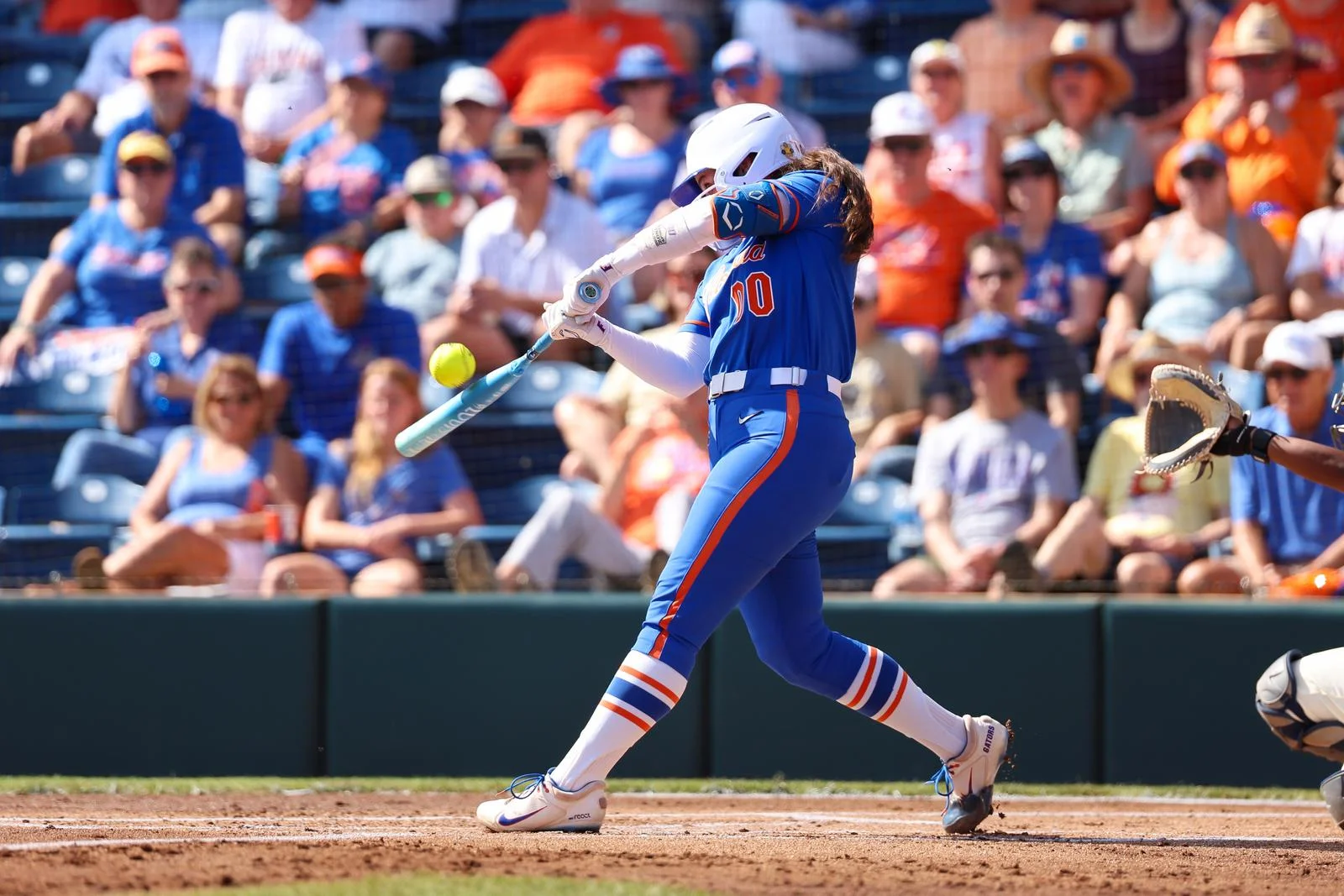
College softball fall ball is the autumn period when teams practise and play exhibitions while preparing for the next spring season. It can be an excellent time to see a new roster, but the details differ by school: admission may be free or paid, game formats can vary, and a spring television package does not guarantee an autumn stream.
This guide uses official 2026 examples checked on October 15, 2026. It explains what the games mean, what to verify before travelling or paying, and how to enjoy the softball without mistaking a fall score for a spring-season result.
What fall ball means for the next college softball season
Start with the distinction between a team preparing for its next campaign and the championship season itself. Fall exhibitions put players against outside opponents before the spring schedule begins. They give supporters an early chance to learn names and see skills in game situations, while giving the team work that a roster announcement or an intrasquad practice alone cannot provide.
Florida's September 2026 announcement illustrates that purpose. It introduces the next Gators squad through eight exhibitions and describes 14 returning players alongside eight newcomers. For a fan, the useful question is how the new group is coming together. A fall visit lets you begin that process before there is a spring league record to follow.
Fall 2026 and spring 2027 can share one schedule page
A label such as “2026–27” can include games played in October 2026 as well as the approaching spring. Florida's release calls its roster the 2027 Gators while heading its game table Fall 2026. Virginia's current schedule likewise uses a 2026–27 heading for autumn dates marked as exhibitions. The calendar date and the game label tell you more than the season selector alone.
Before choosing a game, read four items together: date, opponent, venue and whether the contest is an exhibition. A spring conference announcement can identify an attractive weekend months ahead, while the team's default schedule still displays the remaining fall dates. That is a reason to inspect the individual listing carefully, especially when a ticket page also offers more than one season.
Exhibition results are not a spring record
The NCAA's statistics policies distinguish exhibitions from official contests and exclude nontraditional-season games from national won-lost records and statistics. Softball is classified among the NCAA's spring sports. A school can therefore describe an autumn performance or publish a score without that result becoming part of the spring statistical record.
If you read that a hitter homered twice in an October exhibition, enjoy that performance in its proper setting. Do not add those home runs to her official spring total, or compare an informal autumn batting average with a national season leaderboard. The dates, opponents, innings and reporting scope all need to match before the numbers answer the same question.
This statistical distinction also does not settle a player's eligibility or redshirt status. “The score does not count toward the spring record” is a statement about results, not a universal ruling that participating has no other consequences. Fans can understand the games' place in the calendar without turning a fall recap into an individual eligibility decision.
Why fall games can have unusual innings and substitutions
An autumn game reaching the eighth inning does not necessarily mean the teams were tied after seven. Read the announced format first. South Florida's 2026 fall release schedules ten-inning games. Florida's current table lists seven innings for its Santa Fe exhibition and ten for its other announced fall opponents. Extra playing time can be planned from the start.
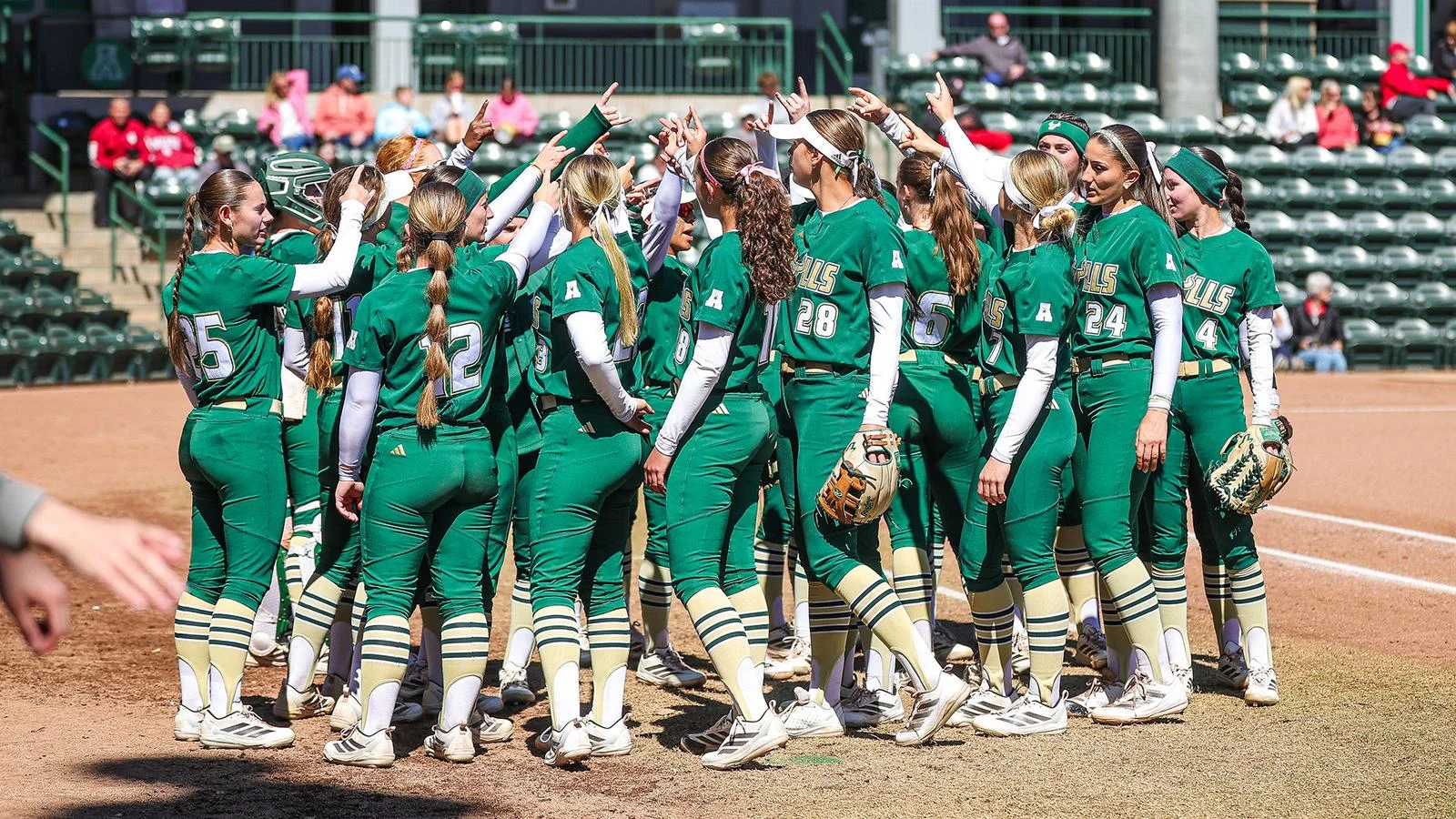
The 2026–27 NCAA rules book explains why the nonchampionship segment can look different. Its introductory provisions allow free substitution and batting out of order, with changes not needing to be reported through the umpires. These are specific autumn exceptions to the usual restrictions, rather than evidence that a spring lineup-card rule has disappeared.
The same provisions allow participating coaches to agree to specified additions, including beginning half innings with runners aboard, replaying a poorly executed play within stated limits, or playing a maximum of ten innings per game. Coaches must agree on the exceptions or additions and communicate them to the umpire crew by the pregame meeting. The eight-run rule may also be set aside to allow at least seven innings. Conduct rules remain in force.
Those arrangements help explain a confusing afternoon for someone expecting a familiar spring game. A runner appearing on base at the start of an inning can be part of an agreed situation. A player moving through the batting order can reflect the autumn provisions. Check the actual event's explanation before deciding that the scorekeeper or umpires have made a mistake.
For performance comparisons, retain the amount of play and the participants. Ten scheduled innings create a different sample from seven. A recap describing several pitchers working is not the same as a spring starter completing the whole contest. A pitcher leaving early may have finished planned work; her removal alone does not establish injury, poor performance or a lost future role.
For a family attending, leave flexibility after first pitch. The innings plan helps explain the event but cannot guarantee an exact finish. Institutional intrasquad scrimmages also have their own rules-book distinction, so do not use one internal team event to establish what every outside-opponent exhibition must look like.
Fall softball tickets: some schools are free and others charge
There is no single admission policy for fall college softball. Texas announced free public entry for its five 2026 home dates at McCombs Field. Florida's October Fall Ball Central says its seven home exhibitions are free, with first-come seating and a canned food drive encouraging donations. Oklahoma's August release, by comparison, advertised paid general admission. The school's own offer is the starting point.
That variation explains why a friend's experience at one stadium cannot settle your plans elsewhere. A free home exhibition can be a convenient introduction to a program. A paid event may still fit your budget, but you need to know what the purchase includes. Confirm the current year's details before assuming that last autumn's practice continues.
Read the date, venue and admission category
Oklahoma's 2026 announcement splits eight Love's Field dates between four Battle Series events and four games against outside teams. It lists general admission at $10.88 per event and an original eight-event All Fall Pass at $70.69. Those are dated advertised offers, rather than confirmation of today's inventory or your final checkout total.
Choose the event you actually want. Someone hoping to see an outside opponent should distinguish it from a Battle Series listing. Someone expecting an assigned seat should read what general admission means for that particular offer. Neither the famous stadium name nor a low headline price answers the seating question.
The home-versus-away distinction matters just as much. Texas's free home announcement also lists a November road game at Texas A&M. Admission instructions for McCombs do not establish the terms at Davis Diamond. Follow the actual host's event information when your team travels. Our OU ticket guide covers Oklahoma's broader ticket choices if you are also planning a spring visit.
Compare the full outing rather than the headline price
Calculate a package against the dates you can still use. On October 15, four dates from Oklahoma's original eight-event announcement had already passed. At the advertised single-event figure, four admissions would total $43.52 before any applicable additional charges, below the original $70.69 full-fall price. This is a comparison of the published figures, not a claim that either product remains available unchanged.
The broader lesson applies whenever you find an old sale announcement: a package that made sense before opening night may have little value halfway through its calendar. Count your available dates, check the live offer and decide whether the admission category suits everyone attending.
Then add the rest of the visit. Transport, parking arrangements, food and time away from work can matter more than a modest ticket difference. Free game admission does not automatically mean free parking, guaranteed seats together or a free stream. For a guest who needs accessible arrangements, confirm the specific venue's process before making the trip. The useful saving is an outing that works for your party.
How to check whether a fall game is streaming
Begin with the individual game on the school's official schedule, then follow its watch link. Autumn coverage needs that level of detail. A program can stream one exhibition while offering no live video for another, and its spring conference television arrangements do not answer the fall question.
Oklahoma's current fall schedule makes the difference visible. When checked on October 15, it marked the October 13 Battle Series event as having no live stream and listed the October 21 event on 1Oklahoma with a paid-access indicator. The same team and stadium appear in both listings, but the viewing arrangements differ. That is stronger evidence than assuming all Battle Series dates receive identical treatment.
After finding an official watch link, make the purchase decision in order:
- Check that the platform names the exact softball event and date you want.
- Read what access includes: one event, a limited collection of streams or an ongoing membership.
- Check the payment period and any renewal terms before completing checkout.
- Sign in on the device you intend to use before first pitch, so account setup does not consume the opening inning.
The language around an offer deserves attention. OU's Fall Ball Central described an opener stream as available free to 1Oklahoma members. “Free to members” is a condition on access; it should prompt you to check the current membership terms, rather than assume a public feed with no account or payment requirement. The stadium ticket and the online viewing product are also separate purchases.
What an empty watch column does and does not establish
A blank watch field tells you that the listing does not currently provide a video link. It does not by itself prove the game is cancelled, that a stream will never be added or that a different platform has the rights. Recheck the school's latest event notes or official team updates if remote viewing determines your plans. An explicit “no live stream” announcement gives a clearer answer than an empty cell.
There are examples of autumn coverage on larger platforms: UTSA reported streaming a fall home softball game against Texas State on ESPN+ in 2025. That is historical evidence that such coverage exists, not confirmation that the same matchup or service is available this autumn. For wider channel and subscription distinctions, use our viewing guide; for a specific fall contest, return to its actual watch listing.
What to watch before drawing conclusions about spring
A useful fall observation is specific enough to revisit later. Instead of deciding that a team is “ready” from one score, notice what a player actually does in a situation: works back from behind in the count, makes a controlled throw after ranging to the ball, or communicates an assignment with a teammate. You can look for the same action in a later game and learn more than one afternoon's headline provides.
For pitchers, separate the group's work from an individual's outing. OU's October 3 recap reports a 14–0, ten-inning exhibition win over Tarleton State, with all six pitchers working at least an inning. That is a shared staff performance. It does not describe one pitcher throwing a complete-game shutout or settle who should start a future SEC series. A fan discussing that result should retain the innings and participation context.
For hitters, follow plate appearances rather than just the loudest swing. Did the batter stay with a difficult count? Was contact consistently firm, or did one good result follow several different situations? Enjoy a productive exhibition without converting a handful of opportunities into an official season batting average. From distant seats, also resist assigning an exact pitch type or velocity unless the team's reliable information actually supplies it.
The quieter moments can be revealing to a new viewer. Watch how the catcher and infield prepare with runners on, how outfielders react before contact and how players regroup after a mistake. These are useful details to discuss with a young player attending with you. They are observations of a particular day, rather than proof that you know the coaches' depth chart or the team's internal expectations.
Check the latest roster as well as the first fall announcement. Florida's September release described eight newcomers; its October 13 Fall Ball Central lists seven and a 21-player roster. That difference is a practical reason to use the most recent school information when learning names. It does not, by itself, establish why a count changed or justify speculation about an individual.
Finally, keep the next step simple. Save the official team schedule, follow its spring release and return to our college softball schedule and team guides as dates are confirmed. An unlisted autumn exhibition on a spring-focused schedule does not mean the team has stopped playing. Fall ball is valuable on its own terms: an early look, a local outing and a chance to understand the players before the championship season gives every result a different weight.
Join the conversation
Share a question or a thought about college softball. Comments are reviewed before they appear. Keep it friendly and on topic.
No comments yet. Start the conversation.
Sign in with Google to leave a comment. Your email address is not displayed.