Idaho State softball has an Elite Prospect Camp listed for November 8, 2026, in Pocatello. Use the direct organizer registration below for its current terms. This guide explains how to confirm the right ISU, choose an appropriate session and prepare for instruction, with event information checked on October 21, 2026.
Make sure your ISU camp is Idaho State in Pocatello
“ISU softball camp” is an incomplete search description because several institutions use those initials. Match the full school name and city before comparing dates or fees. Here, the relevant program is the Idaho State Bengals in Pocatello, Idaho. A result about another ISU can be a perfectly real camp while still being the wrong event for your family.
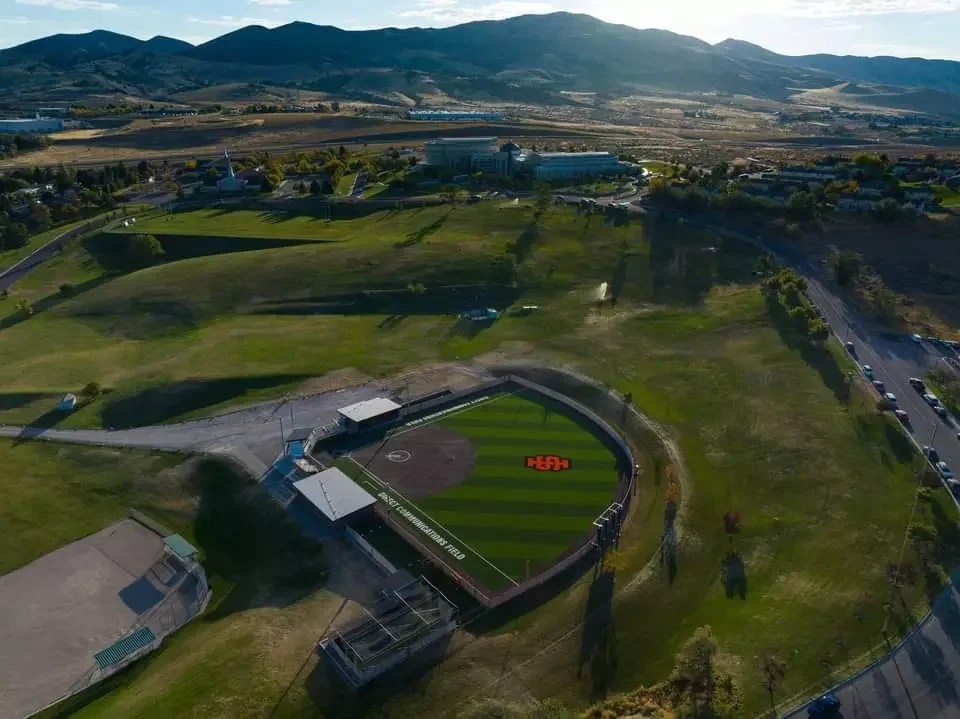
The Bengals’ official softball page is the starting point for that identity check. It connects readers to the team, coaching information and program resources. The softball home is Direct Communications Field at Miller Ranch Stadium. For a particular instructional session, confirm the meeting place on the event listing as well; a team’s home field does not establish where every activity will take place.
There are two separate decisions here: choosing the college program you want to learn about and choosing an event that suits the player. A familiar nickname can help with the first decision, but the second requires the session’s actual curriculum, instructors and eligibility. Establish both before paying a fee or making a long drive.
Follow the Bengals' official camp route
The official softball page’s Summer Camps navigation points to isusoftballcamps.com. That general destination was unavailable during this check, but the current Elite Prospect Camp registration on Ryzer was readable and names Idaho State University softball. Use that exact event page for the November camp rather than treating an unavailable homepage as evidence that no camp exists.
A directory or search result can help identify a possible session, but the organizer’s details should settle the purchase. Check that the final event page names Idaho State University softball, identifies Pocatello or the stated alternate venue, and uses the correct year. Keep that page with the confirmation you receive after registering so there is one consistent set of information for the session.
Keep participation separate from a competitive-game listing. The Idaho State team schedule helps fans follow the Bengals’ games; it does not enroll a player in instruction. Likewise, a football or basketball camp on the athletics department’s general page has its own organizer and eligibility. Select softball deliberately rather than assuming every event under the department shares the same conditions.
The most useful contact message is specific: the player’s grade, the session you found and the point you need confirmed. Asking about eligibility, position grouping or the arrival process gives the staff a concrete question to answer. You can then compare the verified event with your player’s goals instead of building a plan from an abbreviated search phrase.
Check the next session's exact details
Date and eligibility belong to one event
The November 8 Elite Prospect Camp publishes the following terms. They belong to that particular 2026 session, rather than establishing a standing age range or price for every future Idaho State softball camp.
| Item | Published event information |
|---|---|
| Date | November 8, 2026 |
| Eligibility | Grades 8–12 plus JUCO student-athletes |
| Registration categories | Position Player or Pitcher |
| Total per category | $115: $110 plus $5 in fees |
| Location | Miller Ranch Field, 1701 Bartz Dr, Pocatello, ID 83201 |
| Instruction block | 11 a.m.–1 p.m., offense and pitching/defense |
| Game-style block | 1:10–4 p.m. |
Read the eligibility literally. A prospect event for older students is not automatically suitable for an elementary-school player, and JUCO student-athletes are a particular category rather than permission for every college-age adult to attend. If a player is near a grade boundary or has an unusual enrollment situation, ask the organizer before choosing a registration option.
The page does not explicitly identify the time zone for the instructional schedule. Confirm that point with the organizer if it affects your journey. A city name is useful geographical context, but it should not replace a clear answer about the clock time the staff expects participants to follow.
Registration status is different from an announcement
At the October 21 check, the event page offered registration options and specified a deadline of November 7, 2026, at 11:59 p.m. CST. The CST label is printed on the registration deadline; it should not be silently applied to the camp-day schedule. Recheck the page before paying because a published deadline does not prove how many places will remain on a later date.
Choose the category that matches the player’s intended participation. The two listed prices are alternatives, not an instruction to purchase both. If a pitcher also wants position-player work, ask how the staff handles that combination rather than buying a second place or assuming she can move freely between groups.
Keep the message that confirms enrollment. A registration receipt, a waitlist notice and a request for future announcements describe different statuses. Check the selected event and participant after checkout, and resolve an incorrect category while there is time for the organizer to help. Do not rely only on a payment notification that lacks the session details.
For a 2027 search, wait for an event that identifies the new year. This November listing provides a confirmed 2026 opportunity, but its date, hours and fee should not be rolled forward into another season. The direct page is a better planning source than combining a directory date with an age range from a different camp.
Choose a camp that fits the player's development
The November event combines pregame-style instruction with modified game play. That structure provides a useful way to think about the experience: one part introduces or refines a skill, and another asks the athlete to apply it while the game presents choices. Modified play should not be assumed to mean a fixed number of full regulation games or guaranteed playing time at every position.
For the player, begin with a question she can explain. An infielder might want feedback on setting up for a throw after moving to the ball. An outfielder might want to understand her first step or communication responsibility. A hitter might want help recognizing when a coaching adjustment should be used in live at-bats. These are examples of useful goals, not a promise that the camp will teach every player those exact topics.
Position-specific questions should shape the registration decision. Ask what a pitching participant does during the different blocks, how catchers are grouped and what equipment or receiving support is expected. If the athlete plays several positions, ask which category to select. The event’s two registration options do not by themselves explain every detail of how a two-way player will rotate through instruction.
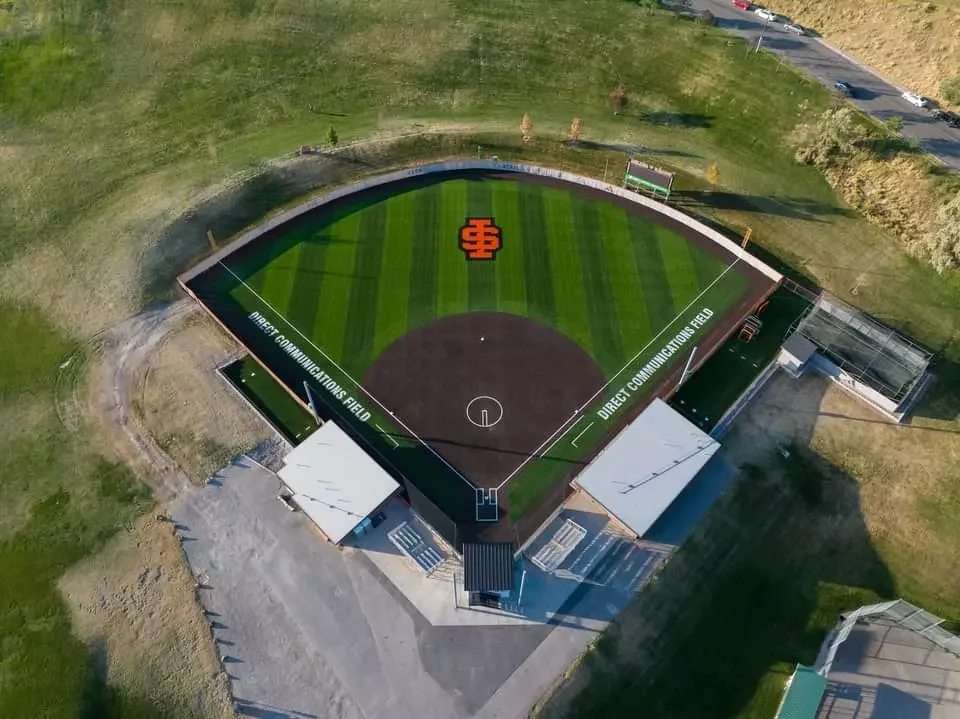
The official facility description records the 2024 installation of synthetic turf and the Direct Communications Field name. That provides campus context, but it should not become an assumption about permitted footwear or weather arrangements. Ask the organizer about the surface and any alternative location rather than treating a field photograph as the full preparation guide.
A prospective college player can also use a visit to ask about the environment she would be joining. What does the program expect of players during instruction? How do athletes receive feedback? What questions remain about the academic setting? A camp can help a student formulate those questions, but attendance should not be described as a guarantee of admission, a scholarship or a future roster place.
For an athlete considering her first prospect camp, the more immediate issue is whether the accepted group and format fit her experience. Respect the published eligibility rather than attempting to turn an older prospect session into a general youth clinic. Discuss the plan with the player so she understands both the instruction and the game-style work. Choosing an appropriate experience makes it easier to ask questions and leave with something useful to practice.
Budget for the session and the Pocatello visit
The published $115 total includes the stated registration fee. Choose the appropriate participation category and check the final basket before paying. If another item appears at checkout, establish whether it is optional and whether you want it. A matching price for two categories does not mean the athlete must purchase both to attend.
Then add the costs your family will incur: travel, meals and any overnight stay. Two families paying the same instruction fee can have very different totals if one lives nearby and the other needs a room. Compare the player’s actual attendance plan, with the same number of days and accompanying adults, rather than comparing one camp’s tuition with another trip’s entire budget.
Ask about the items outside the advertised fee
The readable event description does not establish that food, lodging or parking is included. Ask about anything important to the trip instead of treating silence as a promise. A benefit offered with a different Idaho State camp should not be carried into this purchase. A one-day campus visit also needs its own travel plan even when it does not require an overnight stay.
Read the cancellation terms before making a travel commitment. The event page offers registration protection at checkout, but that is a separate item whose conditions need to be read. It should not be interpreted as an automatic camp refund or as covering every reason a family might be unable to attend. Ask the organizer about refunds, credits or transfers if those possibilities affect your decision.
The current listing names Harold Simmons as the contact for event questions. Use that contact to clarify a specific camp condition; the official athletics staff directory is a separate route to the program if needed. Identify the November session in the message and keep the reply with the registration terms. That is more useful than relying on a general policy from another institution or camp company.
For a trip to Pocatello, use the event’s published street address and confirm where check-in occurs within the facility. Allow for parking and walking rather than aiming to arrive exactly when instruction begins. If weather changes the meeting place or the day’s format, follow the organizer’s latest directions; a saved map cannot tell you about a subsequent adjustment.
Finally, decide whether the commitment fits the athlete’s wider calendar. Include school work, team responsibilities and the time needed to travel comfortably. A useful camp should support development within that schedule. Discuss the instructional purpose with the player before the expense becomes the main focus, so the family knows what would make the outing worthwhile.
Turn registration into a useful day of softball
Once enrollment is confirmed, move from searching to preparing. The athlete should know why she is attending, where she meets the group and what she needs for her position. The parent or guardian should know the organizer contact and the procedure for a late logistical question. A clear plan gives the player more attention to devote to instruction when she arrives.
Confirm equipment and arrival before leaving home
Request the event’s equipment instructions and check the player’s normal practice gear. Ask about footwear for the stated surface, any receiving-partner arrangement for pitchers and the protective equipment expected of catchers. These details are not fully specified in the readable registration description, so resolve them with the organizer rather than treating a photograph of the college field as a packing list.
The listed contact is Harold Simmons at [email protected]. Identify the event and selected participation category when asking a question. Include the point that needs an answer, such as the arrival procedure, the schedule’s time zone or equipment arrangements. Keep the response available alongside the original event confirmation.
Complete the forms requested for this session. An old general athletics waiver found through a search is not necessarily the current camp’s full registration process. Check that the participant’s name and category are correct, and ask about collection arrangements before leaving home. A current staff directory helps identify the program, but the event’s own instructions should govern the day.
Take one clear training goal back to practice
Ask the player to choose a goal she can describe in a sentence. During instruction, encourage a clarifying question if she does not understand the correction: what should she notice on the next repetition, and how should she revisit it at home? A cue she understands is more useful than a collection of technical words she cannot put into practice.
Write down the actual feedback afterward. Keep the instructor’s words separate from a parent’s guess about what was meant, and discuss the adjustment with the player’s regular coach when planning subsequent practice. During the game-style portion, notice where the skill was applied as well as where it remained difficult. That gives a more useful account than simply describing the day as good or bad.
Evaluate the experience against the original goal. Did the player receive relevant instruction, understand how to continue and feel comfortable asking questions? Were the event details communicated clearly? Those answers help with a future Idaho State camp decision without turning one outing into a promised recruiting outcome. The practical result to seek is a player who leaves with a clearer idea of what to work on next.
Join the conversation
Share a question or a thought about college softball. Comments are reviewed before they appear. Keep it friendly and on topic.
No comments yet. Start the conversation.
Sign in with Google to leave a comment. Your email address is not displayed.