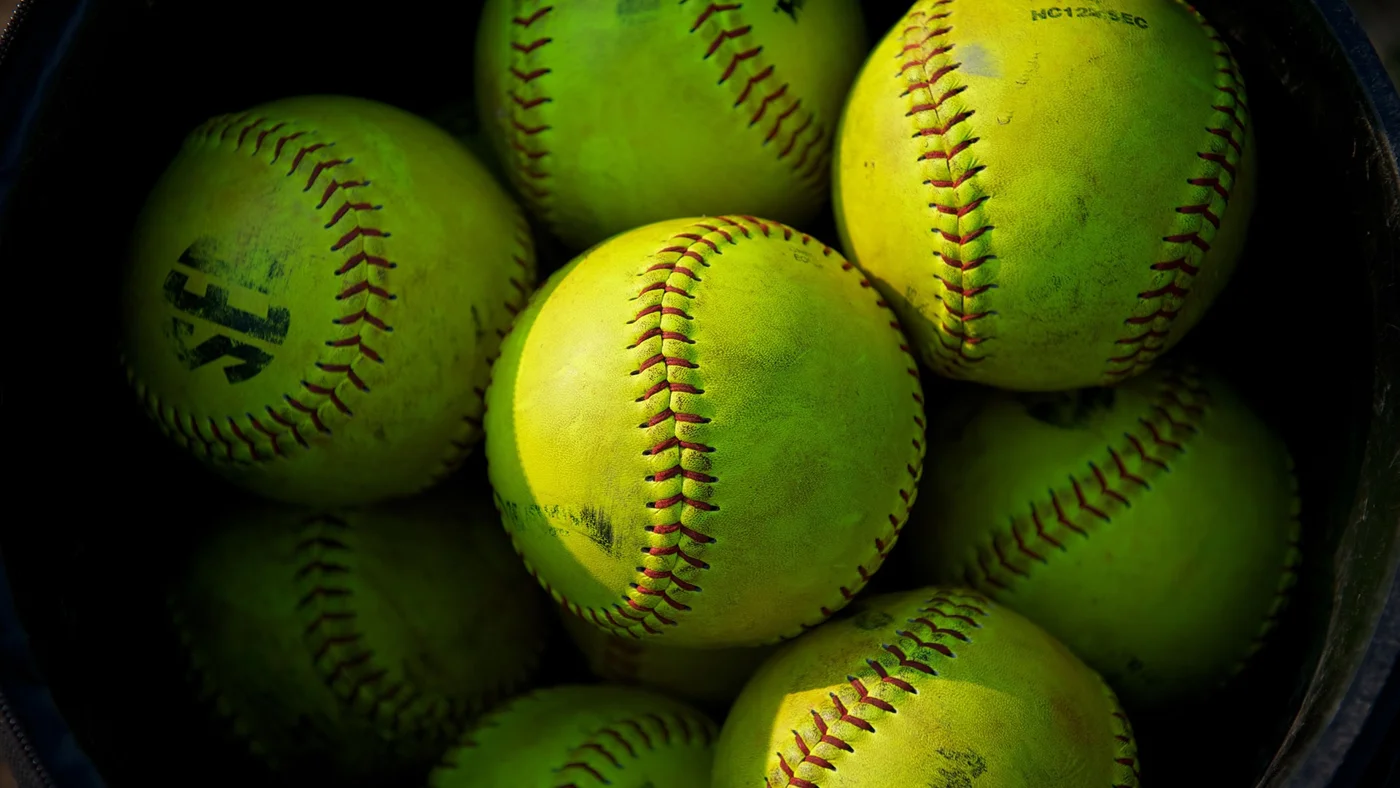
An NCAA-approved model, an individual bat that passes compression testing, and a bat that clears the umpire's inspection are three different questions. A green light at one stage does not settle the others. That distinction explains most confusion about softball bat strikes, September's list update and equipment removed before a college game.
This guide uses the NCAA materials available on October 31, 2026. Check the current documents again before a later event; an equipment guide is useful for understanding the process, but it cannot approve a particular bat for a future competition.
What changed in the September 2026 approved bat update
The NCAA issued an unscheduled approved-list update on September 2, 2026, replacing the August 10 edition. Its official memorandum separates two developments: six models received additional strikes and remained approved, while Mizuno model 340660 and its listed color versions were removed from NCAA competition immediately. Those are different eligibility decisions.
For a player, the useful question is therefore specific: does the identifier on this bat still appear on the current list? A headline saying a brand was banned loses that precision. A retailer's description, an older team's equipment photo or last spring's successful inspection also cannot answer the current question. Each concerns a different date or a different kind of evidence.
The memo scheduled further 2026–27 distributions for December 14 and April 12, at 9 a.m. Eastern. September itself demonstrates why a scheduled publication calendar is not a promise that nothing can change between dates. Staff planning a winter equipment order should revisit the live documents rather than assume the next update is the only possible update.
There is also an important limit to the announcement. NCAA competition is the scope of this decision. It does not establish the rules of every travel tournament, high school association or international event, and it does not by itself establish a product recall. Someone asking whether a bat can be used outside college softball needs the rules of that particular competition.
Consider a family comparing two listings with similar marketing names. The right starting point is the full model code and the governing body's current document, followed by the team's testing process. Starting with the sale price or a teammate's recommendation reverses the order: those details may help choose among eligible options, but they cannot make an unlisted model eligible.
For the current edition and later changes, use the NCAA softball rules hub. Keep the actual PDF's date with any saved copy. A screenshot detached from its edition can be perfectly accurate about an earlier season and still be the wrong evidence for the game ahead.
A model strike is different from a failed individual bat
The easiest way to follow equipment news is to separate the model from the physical bat in someone's bag. A model-level decision can affect every bat carrying that identifier. An individual test concerns the particular implement presented that day. Confusing the two leads either to unnecessary alarm about a still-approved model or misplaced confidence in a bat that has not cleared the event's checks.
What the list's strike marks tell you
Under the NCAA's August 2026 compliance handbook, strikes arise from the laboratory compliance process; a third strike removes the model. A model still listed with one or two strikes remains eligible, subject to the individual bat requirements. A local compression failure is not automatically another model strike.
Imagine a teammate sends a photograph of a list entry with two strikes beside it. The reasonable response is to check the edition and the actual entry, then ask equipment staff about the team's inventory. It is not enough information to tell a player that her next appearance would be illegal. Equally, buying more examples of that model calls for a different decision from using an already-owned bat today: a current permission is not a guarantee about the next edition.
These distinctions also improve a fan's interpretation of a broadcast. Hearing that equipment has been collected or tested is not equivalent to hearing that a model has been removed. Ask which stage is being described before assigning a consequence. A dramatic label such as a cheating bat can turn an equipment-administration story into an unsupported accusation.
Why approval does not guarantee a passing compression test
The approved list itself explains that inclusion is not a guarantee of compliance. Model eligibility, an individual barrel compression check and the umpire's inspection address different requirements. Compression screening is also distinct from laboratory batted-ball-speed testing.
For example, two teammates can own the same listed model without their bats becoming interchangeable pieces of evidence. One bat's test result does not certify the other's condition. The useful question is whether this particular bat has completed the required process for this event. A model code answers what it is; the event checks answer whether it may be presented for play.
This is why a photograph of a brand logo settles very little. It cannot show the applicable list edition, the actual compression reading or everything an umpire will examine. For spectators, the careful interpretation is also the fairest one: describe the verified equipment decision and leave claims about motive to evidence that actually addresses motive.
Match the exact model before checking a brand name
Start with the identifier printed on the actual bat. The NCAA list instructs users to match model numbers exactly; its product names and colors are conveniences. That makes searching only for CRBN, Ghost or another family name an incomplete check. A familiar marketing label can cover multiple entries, and a change involving one entry does not establish the status of every similarly named bat.
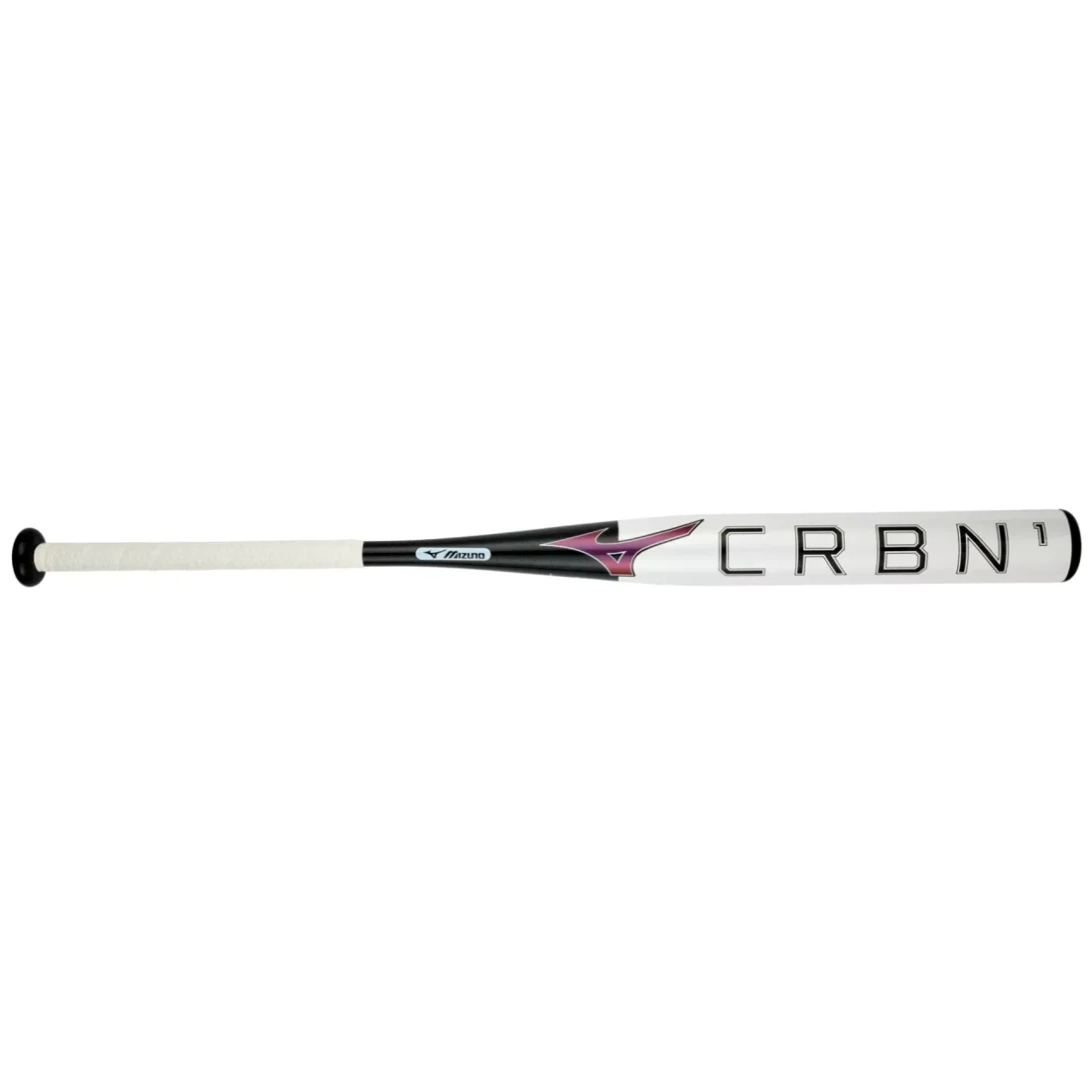
There is a useful real example of the difference between a product description and competition permission. Mizuno's product page identifies style 340660 as a CRBN1 fastpitch bat with a -9 drop. The existence of that page does not reverse the NCAA's removal of the model. A manufacturer page can help identify an item while remaining the wrong document for deciding its current NCAA eligibility.
Color variants and model numbers matter
The September entry in the NCAA's change log identifies 340660, 340660.2222, 340660.4010, 340660.5551 and 340660.9047 for deletion. Checking only the digits before the decimal would miss the precision of those entries. Conversely, recognizing a similar paint scheme is not a substitute for reading the code.
A practical check starts with a clear photograph of the markings, followed by the current PDF and the matching line. If an identifier is worn or a seller's photograph hides it, ask for a better photograph before treating the listing as an eligible replacement. Do not fill in missing characters from a product nickname or assume that a custom color means the identifier is unimportant.
For a coach discussing equipment with a family, it helps to request the code first rather than a link to a broad product category. That keeps the conversation concrete: this is the item under consideration, this is the current entry, and this is the remaining event process. It also avoids turning a narrow model decision into a claim about an entire manufacturer.
What happens at NCAA softball bat testing
Bat testing is organized around an event's equipment process. It is not a contest to find the highest reading, and it is not a chance for a player to negotiate a result using a receipt or an older sticker. Understanding the sequence helps explain why staff ask for both the bats and paperwork before the first pitch.
The regular-season testing sequence
The NCAA's regular-season flowchart begins with preparation of the fixture and verification of the presented equipment. The testing manager checks model eligibility and obvious damage before compression screening. Eligible, suitable bats then need two passing readings; two failures disqualify the bat. Testing ends after no more than three readings.
For an illustrative example, suppose the applicable minimum is 1,550 psi and a bat records 1,600 and 1,620. It has two passes. If the first two readings are 1,600 and 1,500, the outcomes differ and a third reading decides whether there are two passes or two failures. A third reading of 1,490 produces two failures. Averaging those three numbers is not the procedure, and selecting only the best reading would answer a different question.
The NCAA demonstration tutorial shows rotation between readings. Use it to understand the measurement process, while checking current documents for the actual model's minimum. Its older example tables should not become a substitute for the September 2026 list.
The current list uses a general minimum of 1,550 psi with specified exceptions for particular models. A lower authorized minimum is not an exemption from testing. Therefore, a raw number without its model's applicable threshold is incomplete information. It should not be used to rank hitters' equipment or to accuse another team of enjoying a special allowance invented on the day.
Stickers, storage and the pregame inspection
Passed bats receive the appropriate sticker and are presented with the team's list for the umpire's inspection. The regular-season flowchart separately assigns the check for damage and reconciliation of the presented bats. This is why seeing a sticker does not settle every later equipment question. It records a completed stage; it does not stop the bat's condition from changing.
The postseason flowchart adds daily log updates and collection of compression failures for shipment. That differs from the ordinary regular-season flowchart's holding of failed bats until the team's departure. Fans should first identify which process an announcer is describing before assuming a bat will immediately be returned.
For a player, the practical implication is to prepare the available equipment before the testing appointment. A backup is useful only if it can complete the same required process. Producing an untested substitute from a bag after a failure is not the same as having another bat ready for competition. Planning around the event's instructions is more productive than relying on a previous weekend's sticker.
What a failed or unlisted bat means during a game
Rule 3.4 of the 2026–27 NCAA rulebook distinguishes an inappropriate bat from a damaged legal bat. Inappropriate includes illegal, altered and nonapproved equipment. The nonapproved category includes a bat missing from the current list or lacking the correct compression-testing sticker. Alteration has a separate definition involving changes to the equipment; it should not be inferred merely because a bat failed screening.
That distinction matters when a broadcast shows an umpire removing equipment. A damaged legal bat is removed from possession, but that does not automatically impose every penalty attached to an inappropriate bat. A bat breaking or being inspected should not become a shortcut to accusing its owner of deliberate misconduct.
The consequences also depend on when inappropriate equipment is discovered. Bringing an inappropriate bat into the batter's box can result in the batter being declared out and administratively ejected, with the head coach also ejected. Discovery after an at-bat requires attention to whether the next batter has received a pitch and whether the earlier batter remains on base. The rule has different effects on runner advances at different points; there is no reliable blanket statement that every earlier hit disappears.
Compare two situations. In the first, equipment is screened before competition and an individual bat does not clear the process. In the second, a hitter brings nonapproved equipment to the plate. Calling both a failed bat hides the information needed to explain what happens next. The first description concerns preparation and availability; the second can involve an actual playing-rule violation.
For fans following a dispute, ask three questions before judging the ruling: what was the bat's category, where and when was it discovered, and what action had occurred afterward? Those details are more useful than a close-up of a logo. For players and staff, the practical lesson arrives earlier: resolve eligibility before equipment reaches the batter's box.
Fall ball and the next bat purchase: a practical check
Fall competition is not a blanket equipment exception. The September memorandum explicitly includes the nonchampionship segment in its compression-testing requirement. A game being outside the spring championship record does not make the current bat list irrelevant. That point can get lost when fans see unfamiliar innings or unusual substitution arrangements in an exhibition.
Testing is required, at minimum, before a tournament, series, doubleheader or game; the on-field inspection occurs before every game. Those are different frequencies. If a series uses one round of compression testing, it does not follow that umpires stop checking the bats for subsequent games. The event's instructions explain the actual testing appointment and applicable sticker arrangements.
For the wider context of autumn events, the site's college softball fall-ball guide explains exhibition formats and records. Keep those questions separate from permission to bring a particular bat into NCAA competition. Flexibility in a game's format does not answer an equipment question by itself.
Recheck the list when the season or tournament changes
Before paying for a replacement or packing for a competition, work through four practical checks:
- Identify the competition. Ask which governing body's rules apply. A statement about a college game does not certify a bat for another organization's event.
- Read the complete identifier. Obtain a legible model code from the actual bat, rather than rely on a family name or a stock photograph.
- Open the current NCAA list. Confirm the edition through the live rules hub and read the relevant entry and notes. Do not use an old saved image as the final answer.
- Confirm the event process with staff. Know when equipment must be presented, which bats are available after testing and what eligible alternative will be ready if one is removed.
A useful purchase conversation therefore happens before money changes hands: this is the exact model, this is the upcoming NCAA event, and this is how the team will handle eligibility and testing. A retailer can explain its product and return terms; team staff can address competition preparation. Neither task is served by assuming that an online product listing is itself NCAA authorization.
Keep the dated guide for understanding the distinctions, and keep the live NCAA equipment documents for the next eligibility check. That combination answers the practical question: which verified equipment can the player actually have available when the next game begins?
Join the conversation
Share a question or a thought about college softball. Comments are reviewed before they appear. Keep it friendly and on topic.
No comments yet. Start the conversation.
Sign in with Google to leave a comment. Your email address is not displayed.